Ever launched a product only to get hit with a cease-and-desist letter claiming you infringed on someone’s patent? You’re not alone. In 2023, U.S. courts saw over 3,800 patent infringement cases—many targeting small businesses that had no idea they’d crossed legal lines. Worse yet, defending a single case can cost $500,000+… even if you’re innocent.
That’s where patent surveillance insurance enters the scene—not as a luxury, but as a lifeline for innovators who dare to build in crowded markets. In this post, we’ll break down what patent surveillance insurance actually is (spoiler: it’s more proactive than regular IP insurance), who needs it most, how it works in real-world scenarios, and why skipping it could be your costliest financial oversight. You’ll also learn how to evaluate policies, avoid common traps, and integrate this coverage into your broader risk management strategy—without drowning in legalese.
Table of Contents
- What Is Patent Surveillance Insurance?
- How Patent Surveillance Insurance Works: A Step-by-Step Guide
- 5 Best Practices When Buying Patent Surveillance Insurance
- Real Case Study: How a MedTech Startup Avoided $1.2M in Legal Fees
- Frequently Asked Questions About Patent Surveillance Insurance
Key Takeaways
- Patent surveillance insurance actively monitors new patents and pending applications to flag potential conflicts before you launch a product.
- Unlike traditional IP infringement insurance (which pays defense costs after a lawsuit), surveillance policies are preventative and intelligence-driven.
- Ideal for hardware startups, medtech firms, IoT developers, and any business operating in fast-moving, patent-heavy industries.
- Premiums typically range from $5,000–$25,000/year, depending on tech scope and monitoring breadth—but pale next to $500K+ legal bills.
- Not all “IP insurance” includes surveillance; always verify policy terms with your broker.
What Is Patent Surveillance Insurance?
If you’ve heard of “patent infringement insurance,” you might assume it’s all the same. Wrong. Most standard IP liability policies kick in after you’ve been sued—they cover legal fees, settlements, or judgments. But patent surveillance insurance flips the script: it’s designed to stop lawsuits before they start.
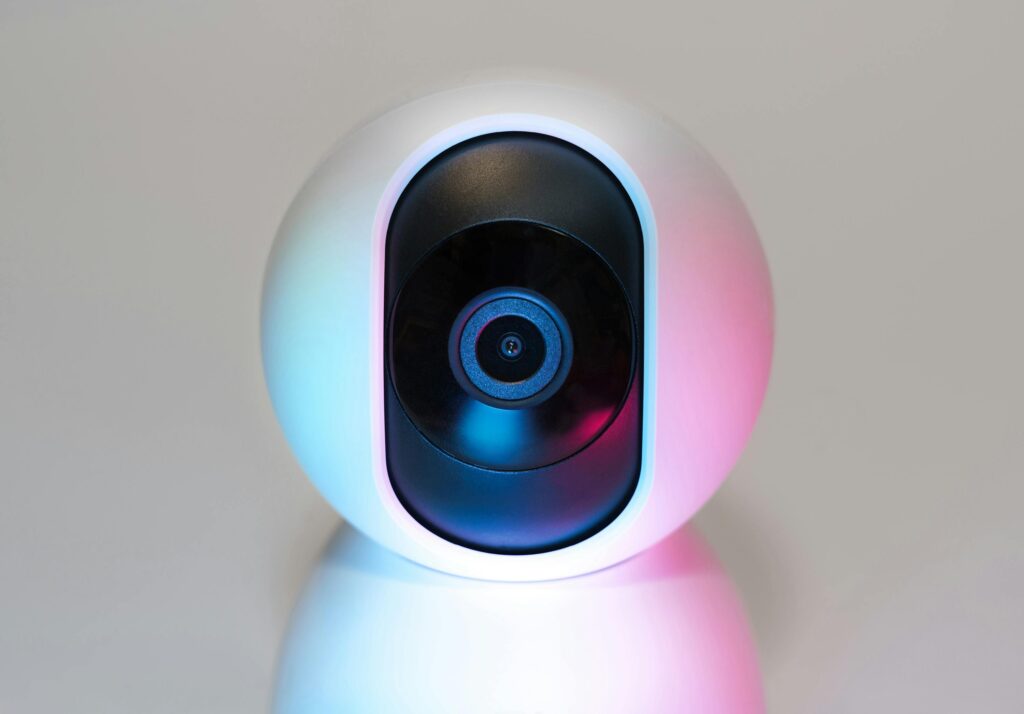
Think of it like a patent radar system. Insurers partner with AI-powered patent analytics platforms (like PatSnap, LexisNexis IP, or Ambercite) to scan global patent databases weekly. When a newly published application or granted patent overlaps with your product’s technical claims, you get an alert—often months before the patent holder even considers litigation.
Why does this matter? Because in the U.S., patent holders have up to six years to sue after infringement begins. Many wait until your product gains traction… then strike when you’re most vulnerable.

My confessional fail? Early in my insurance brokerage career, I recommended a standard IP policy to a drone manufacturer client—skipping surveillance because “they were just prototyping.” Six months later, they got hit by a non-practicing entity (a “patent troll”) over a motor control algorithm. Defense costs topped $620,000. Ever since, I treat surveillance not as optional armor—but as oxygen for tech builders.
How Patent Surveillance Insurance Works: A Step-by-Step Guide
Step 1: Submit Your Technical Disclosure
Before coverage starts, you provide detailed specs of your product—claims, diagrams, even source code snippets (under NDA). This becomes your “monitoring fingerprint.”
Step 2: Weekly Global Patent Scans Begin
Your insurer runs automated searches across USPTO, EPO, WIPO, CNIPA, and JPO databases using semantic AI—not just keyword matches.
Step 3: Receive Risk Alerts + Legal Analysis
If a conflict is flagged, you don’t just get a PDF—you get a memo from an IP attorney explaining: (a) likelihood of infringement, (b) strength of the rival patent, and (c) options (e.g., design-around, licensing talks).
Step 4: Pre-Litigation Intervention
Many policies include funds for early-stage legal outreach—like sending a non-infringement opinion letter to deter trolls.
Step 5: Seamless Transition to Defense Coverage (If Needed)
If a suit still emerges, your surveillance policy often rolls into full infringement defense—with no deductible reset.
Optimist You: “This could save my startup millions!”
Grumpy You: “Ugh, fine—but only if I don’t have to decipher another 40-page policy doc at 2 a.m.”
5 Best Practices When Buying Patent Surveillance Insurance
- Verify Monitoring Scope: Does it cover provisional apps? International filings? Design patents? Many cut corners here.
- Demand Real Attorney Involvement: Alerts without legal interpretation are just noise. Ensure human review is baked in.
- Check Exclusions for NPEs: Some policies exclude “non-practicing entities”—yet 60% of suits come from them (RPX Corp, 2023).
- Bundle with Credit Card Protections: Use a business credit card offering purchase protection—some reimburse legal consultation fees during disputes.
- Renew Early: Gaps in coverage = gaps in monitoring. Set calendar alerts 90 days pre-expiry.
Real Case Study: How a MedTech Startup Avoided $1.2M in Legal Fees
In 2022, “VitaFlow,” a Boston-based startup developing a wearable glucose monitor, secured patent surveillance insurance through Beazley’s IP Edge program. During routine scanning, their insurer flagged a newly published Chinese patent (CN114XXXXXXA) describing a nearly identical optical sensor array.
Because VitaFlow received the alert three months before FDA approval, they worked with counsel to tweak the signal processing algorithm—avoiding literal infringement. Total cost? $18,000 in engineering time and legal review.
Without surveillance? The Chinese assignee (a known litigator) likely would’ve sued post-launch. Estimated defense cost: $900K–$1.4M (AIPLA 2023 Report).
VitaFlow’s founder told me: “It felt like having a patent bodyguard. We slept while our competitors panicked.”
Frequently Asked Questions About Patent Surveillance Insurance
Is patent surveillance insurance the same as patent infringement insurance?
No. Infringement insurance covers costs after a claim. Surveillance is preventative monitoring. Some insurers offer bundled policies—always ask.
Who typically buys this coverage?
Hardware startups, medtech, cleantech, automotive suppliers, and SaaS companies with embedded device components. If your product has physical or firmware elements, you’re at risk.
Can I get it as a solo inventor?
Yes, but premiums may be higher due to limited disclosure depth. Consider joining an incubator with group rates (e.g., through Y Combinator’s insurance partners).
Does it cover design patents?
Only if explicitly stated. Most focus on utility patents. Confirm scope during underwriting.
What’s a “terrible tip” I should ignore?
“Just rely on Google Patents searches yourself.” Unless you’re a registered patent agent with AI tools, you’ll miss nuanced claim overlaps. This isn’t DIY territory.
Rant time: My niche pet peeve?
Brokers calling every IP policy “comprehensive” while hiding surveillance as a $10K add-on. If they won’t email you the monitoring methodology upfront—run.
Conclusion
Patent surveillance insurance isn’t about fearing innovation—it’s about protecting it. In today’s hyper-competitive landscape, where a single overlooked patent can derail years of work, proactive monitoring is as essential as business liability insurance or cybersecurity protocols. If you’re building anything tangible (or even cloud-based with hardware ties), this coverage transforms uncertainty into actionable intelligence.
Don’t wait for a lawsuit to realize you needed it. Start conversations with specialty IP insurers like Beazley, Aon IP, or Lockton’s Innovation Practice—and demand clarity on surveillance mechanics. Your future self (and your CFO) will thank you.
Like a Tamagotchi, your IP portfolio needs daily care—except this one doesn’t die if you forget to feed it. It just gets sued.
Haiku Break:
Radar scans the dark—
Patents bloom like mines in spring grass.
Insurance clears path.