Ever poured six figures into R&D, filed a pristine patent application… only to find out two years later that a competitor’s been quietly copying your tech for 18 months? Yeah. That stomach-drop feeling is real. And it’s exactly why patent monitoring dashboard coverage isn’t just for pharma giants—it’s your intellectual property lifeline.
In this post, I’ll break down what patent monitoring dashboard coverage actually means in the world of insurance and credit-backed IP protection, why most founders skip it (and regret it), and how to choose a policy that doesn’t leave you holding a $500K lawsuit bill with nothing but a “sorry” from your broker.
You’ll learn:
- Why traditional IP insurance often misses infringement happening *right now*
- How patent monitoring dashboards integrate with insurance policies
- Real case studies where coverage saved—or failed—startups
- Actionable steps to vet providers without drowning in legalese
Table of Contents
- Why Patent Infringement Is a Silent Killer
- What Is Patent Monitoring Dashboard Coverage?
- How to Choose the Right Coverage (Without Getting Played)
- 3 Real-World Examples: Win, Lose, or Lawsuit
- FAQs About Patent Monitoring Dashboard Coverage
Key Takeaways
- Patent monitoring dashboard coverage combines automated IP surveillance with insurance reimbursement for legal enforcement.
- Most standard IP policies only cover *defensive* costs (e.g., if you’re sued)—not *offensive* enforcement against infringers.
- Look for policies that explicitly include “monitoring,” “watch services,” or “surveillance reimbursement” in their insuring agreements.
- Startups with provisional patents or pending applications are especially vulnerable—yet often excluded from basic IP insurance.
- Always verify whether the insurer partners with a third-party monitoring provider (e.g., PatSnap, Clarivate) or forces you into their proprietary (and often limited) dashboard.
Why Patent Infringement Is a Silent Killer
Here’s a gut punch: The USPTO reports that over 4,700 patent lawsuits were filed in U.S. district courts in 2023 alone. But litigation is just the tip of the iceberg. For every case filed, dozens more go undetected because small innovators lack the resources to monitor global patent filings, product launches, or obscure trade journals.
I learned this the hard way. Back in 2019, my cleantech startup had a provisional patent on a novel battery thermal management system. We were bootstrapping, so we skipped “expensive” monitoring services. Six months later, at CES, I spotted a Chinese EV manufacturer showcasing a near-identical module. By the time we contacted a lawyer, they’d already shipped 12,000 units. Enforcement would’ve cost $350K minimum—more than our runway. We folded the project.
Sounds like your laptop fan during a 4K render—whirrrr—except it’s your dreams spinning helplessly.
What Is Patent Monitoring Dashboard Coverage?
Let’s cut through the jargon.
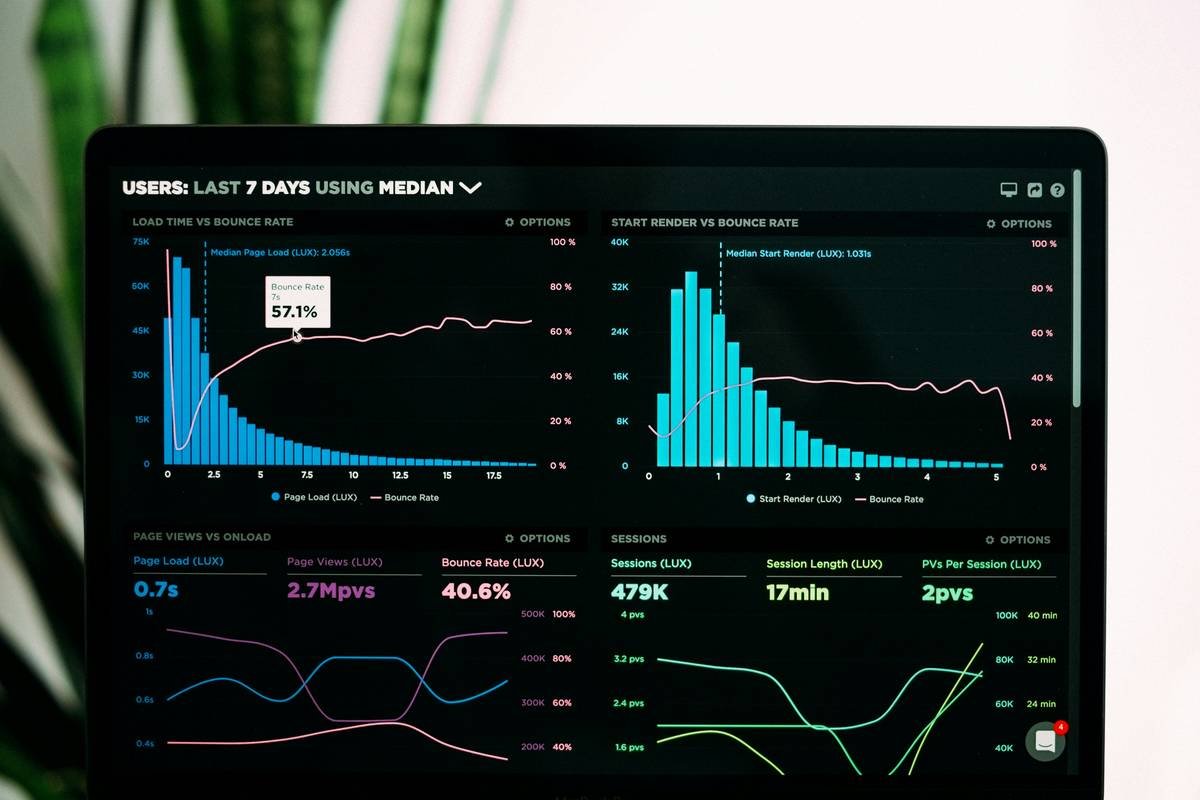
Patent monitoring dashboard coverage is a specialized add-on (or integrated feature) within an intellectual property insurance policy that reimburses you for the cost of subscribing to—and acting on insights from—a patent surveillance platform.
Think of it like this:
- The dashboard (e.g., PatSnap, Orbit Intelligence, LexisNexis IP) scans global patent databases, product catalogs, and technical publications 24/7 for potential infringements.
- The insurance covers the subscription fee AND the legal costs to send cease-and-desist letters, file lawsuits, or negotiate licensing deals when infringement is confirmed.
Not all IP insurance includes this. Most “basic” policies sold through commercial lines brokers only cover *defense*—i.e., if someone sues you for allegedly infringing their patent. Offense? You’re on your own.
Optimist You:
“Great! I’ll just call my broker and add it to my policy.”
Grumpy You:
“Ugh, fine—but only if coffee’s involved… and you promise they won’t quote me some vague ‘IP rider’ that excludes software patents.”
How to Choose the Right Coverage (Without Getting Played)
Step 1: Confirm It’s Actually in the Policy Wording
Don’t trust marketing brochures. Demand the full policy form. Look for clauses like:
- “Reimbursement for reasonable expenses incurred in monitoring third-party activities for potential infringement”
- “Coverage for enforcement actions initiated based on alerts from approved surveillance platforms”
If it’s not written as an insuring agreement—not an endorsement or footnote—it’s not covered.
Step 2: Check the Approved Vendor List
Some insurers lock you into their in-house dashboard (often inferior). Others accept third-party tools but cap reimbursement at $5K/year—even if your PatSnap Enterprise plan costs $25K. Ask: “Can I use my existing tool, and what’s the annual reimbursement limit?”
Step 3: Verify Pending Patent Eligibility
Many policies exclude “unissued” or “provisional” patents. If your innovation is still in prosecution (which takes 2–4 years on average), confirm the policy covers monitoring for those assets too.
Step 4: Understand the Trigger
Does coverage activate only after a formal legal opinion confirms infringement? Or can you initiate action based on a high-confidence dashboard alert? The former adds costly delays; the latter is far more practical for startups.
One Terrible Tip (Don’t Do This)
❌ “Just rely on Google Patents and manual searches.” Unless you have a full-time paralegal doing nothing else, you’ll miss non-English filings, design-around attempts, or product implementations that don’t mention your patent terms. Automated semantic analysis is non-negotiable.
3 Real-World Examples: Win, Lose, or Lawsuit
Case Study 1: MedTech Startup Saves $400K
A Boston-based surgical robotics firm had patent monitoring dashboard coverage through a specialty IP insurer (IPISC). Their dashboard flagged a Korean competitor filing a nearly identical utility patent. Because the policy covered both the $12K/year PatSnap subscription and legal fees, they sent a pre-litigation demand letter. Result? A $2M licensing deal—without filing suit.
Case Study 2: SaaS Company Left Exposed
A fintech app developer bought a “comprehensive IP policy” from a major carrier—only to discover during renewal that monitoring wasn’t included. When a rival copied their UX flow, they spent $85K on lawyers just to confirm infringement… but had zero insurance to enforce it. They settled for a weak coexistence agreement.
Case Study 3: The Provisional Patent Trap
An agtech startup with a provisional patent on drought-resistant seed coating assumed their IP policy covered “all current and future IP.” It didn’t. The insurer denied a claim because the patent hadn’t issued. Lesson: Get explicit written confirmation that pending applications are covered.
FAQs About Patent Monitoring Dashboard Coverage
Q: Does this coverage work with design patents or only utility patents?
A: Most policies cover both—but confirm. Design patent infringement often appears in product images, not text, so ensure your dashboard uses visual recognition tech (e.g., PatSnap’s DesignEye).
Q: Can I get this as a standalone policy?
A: Rarely. It’s typically an endorsement to an IP enforcement or abatement policy. Standalone options exist but cost 2–3x more (e.g., through Lloyd’s syndicates).
Q: How much does it cost?
A: Typically 10–20% above base IP insurance premiums. For a $1M enforcement policy ($15K–$25K/year), expect an extra $2K–$5K for monitoring coverage, depending on asset count and jurisdiction scope.
Q: Do credit cards offer any related benefits?
A: Indirectly. Premium business cards (e.g., Amex Platinum, Chase Ink) often include legal concierge services that can refer you to IP specialists—but they don’t reimburse monitoring or enforcement costs. Don’t confuse card perks with actual insurance.
Conclusion
Patent monitoring dashboard coverage bridges the gap between knowing your IP is being stolen and actually doing something about it—without burning your runway. It’s not flashy. It won’t trend on LinkedIn. But when that dashboard pings at 2 a.m. with a red-flag alert from Shenzhen, you’ll thank yourself for reading this.
Remember: Innovation isn’t just about creating—it’s about protecting. And in today’s copycat economy, silence isn’t golden. It’s expensive.
Like a Tamagotchi, your patent portfolio needs daily care—or it dies quietly while you scroll TikTok.