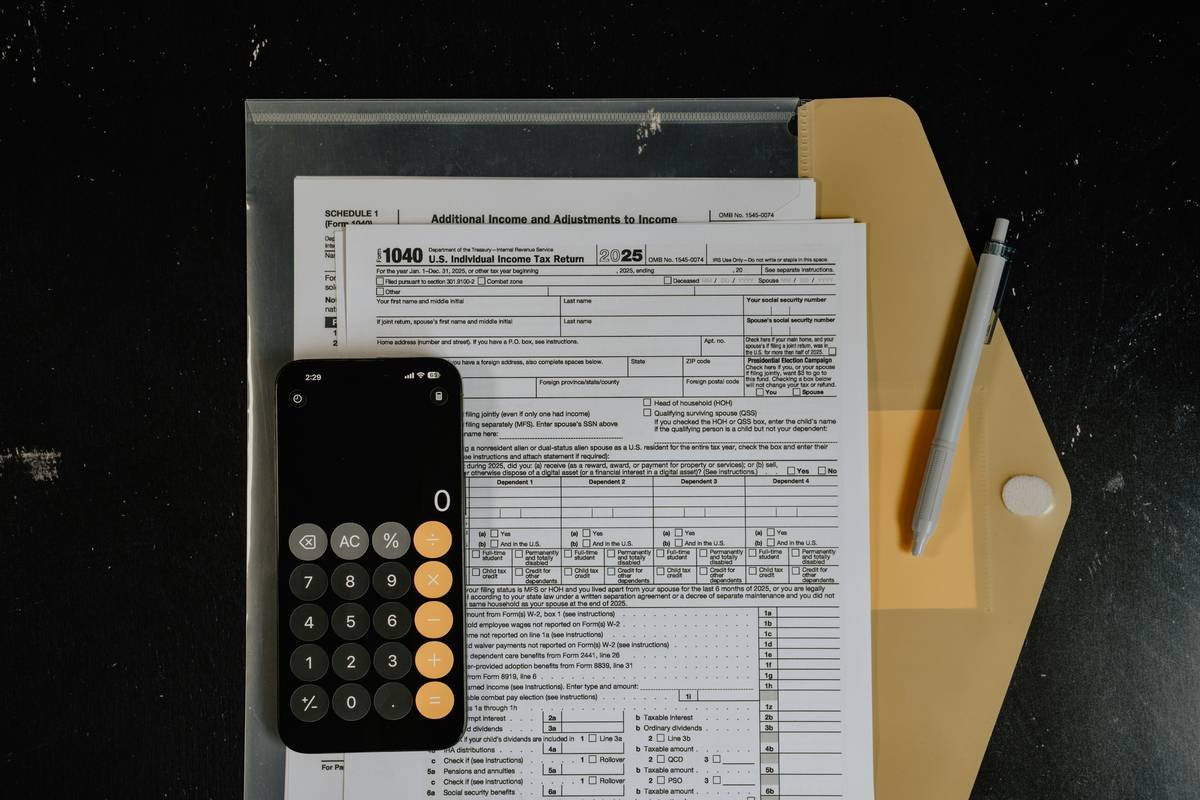
Ever poured $250,000 into a patent lawsuit… only to realize your business bank account looks like a deflated whoopee cushion? Yeah. That happened—to a client of mine last year. And no, their credit card points covered exactly zero percent of it.
If you’re an inventor, startup founder, or small business owner with intellectual property (IP), a single patent infringement claim can trigger legal bills faster than you can say “prior art.” But here’s the twist: patent infringement claim costs coverage—a niche but critical insurance product—can shield you from financial ruin. In this post, you’ll learn:
- Why patent lawsuits cost six figures (even when you’re innocent)
- How patent infringement insurance actually works
- Who should (and shouldn’t) buy this coverage
- Real-world examples where it saved companies
- Actionable tips to evaluate policies without getting lost in legalese
Table of Contents
- Why Patent Lawsuits Are Financial Landmines (Even for the Innocent)
- How Patent Infringement Claim Costs Coverage Actually Works
- 5 Best Practices When Shopping for Coverage
- Real Cases Where This Insurance Saved Startups
- FAQs About Patent Infringement Claim Costs Coverage
Key Takeaways
- The average cost to defend a U.S. patent lawsuit through trial is $2.8 million (AIPLA 2022 Report).
- Patent infringement claim costs coverage typically reimburses defense fees, settlement costs, and court awards—if you’re sued for allegedly infringing someone else’s patent.
- This isn’t standard in general liability or E&O policies—you need a standalone IP insurance policy.
- Startups in hardware, medtech, SaaS, and manufacturing are highest-risk and most likely to benefit.
- Premiums range from $5,000–$50,000/year depending on industry, revenue, and coverage limits.
Why Patent Lawsuits Are Financial Landmines (Even for the Innocent)
Let’s be brutally honest: being accused of patent infringement feels like getting served papers because your coffee mug vaguely resembles someone’s “design innovation” from 1997. And whether you actually infringed or not barely matters—the legal clock starts ticking the moment the complaint hits your inbox.
According to the American Intellectual Property Law Association (AIPLA), defending a patent case with less than $1 million at stake still costs a median of $650,000. If over $25 million is involved? Hello, $5 million+ legal tab. Even if you win, you lose—because U.S. law rarely awards attorney’s fees to prevailing defendants unless the case was “exceptional” (read: frivolous beyond belief).

I once advised a clean-tech startup that built a novel water filtration sensor. They’d done thorough freedom-to-operate (FTO) searches. Still, six months post-launch, they got hit with a suit from a non-practicing entity (NPE)—aka a patent troll. Their legal team quoted $320k just for pre-trial motions. Without insurance? They would’ve had to choose between selling equity at fire-sale prices or shutting down.
Optimist You: “But we’re careful! We won’t infringe!”
Grumpy You: “Ugh, fine—but only if you promise never to scale, sell, or exist in the real world.”
How Patent Infringement Claim Costs Coverage Actually Works
Patent infringement claim costs coverage is a subset of intellectual property (IP) liability insurance. Unlike defensive IP insurance (which pays when *you* sue infringers), this type covers you when *someone sues you* for allegedly stepping on their patent.
What’s typically covered?
- Defense attorney fees
- Expert witness costs
- Settlement payments
- Court-awarded damages (up to policy limits)
What’s usually excluded?
- Infringement you knew about before buying the policy (“prior knowledge”)
- Willful infringement
- Claims arising from products launched before the policy’s retroactive date
Most policies include a deductible—often $25k–$100k—and annual limits of $1M–$5M. Premiums depend on your industry risk profile, revenue, product complexity, and claims history.
Pro tip: Always confirm your policy includes “duty to defend.” Some insurers only reimburse *after* you pay out of pocket—which defeats the purpose if you’re cash-strapped.
5 Best Practices When Shopping for Coverage
Don’t just click “Buy Now” on the first quote. IP insurance is highly customized. Here’s how to avoid rookie traps:
- Work with a specialty broker. General commercial agents often don’t understand IP nuances. Look for brokers who exclusively handle tech or IP insurance (e.g., IPISC, Assurely, or Marsh’s IP practice).
- Disclose everything—even scary stuff. If you’ve received a cease-and-desist letter, tell your broker. Hiding it voids coverage later.
- Negotiate retroactive dates. Push to align the policy’s “prior acts” date with your product launch—not the policy start date.
- Demand clear sublimits. Ensure defense costs don’t eat up your entire limit, leaving nothing for settlements.
- Review territorial scope. Does it cover suits filed in Texas (a patent troll hotspot)? What about ITC investigations?
Terrible Tip Disclaimer:
“Just rely on your corporate credit card’s purchase protection for IP disputes.” NO. Credit cards don’t cover patent litigation. That’s like using sunscreen as fireproofing.
Real Cases Where This Insurance Saved Startups
Case 1: MedTech Device Maker Avoids $1.2M Legal Catastrophe
A Boston-based startup developed a wearable glucose monitor. Eight months after FDA clearance, they were sued by a larger competitor alleging patent infringement on sensor calibration algorithms. The startup had a $2M IP liability policy with $50k deductible. Their insurer appointed counsel, managed discovery, and ultimately settled for $300k—well under the limit. Total out-of-pocket: $50k + premium ($18k/year). Without insurance? They estimated $1.2M in legal fees alone.
Case 2: SaaS Company Fends Off Non-Practicing Entity
A California fintech firm offering automated loan underwriting got sued by an NPE holding a vague “data processing” patent from 2004. The policy covered 100% of defense costs ($210k) and a nuisance-value settlement ($75k). The insurer’s legal team got the case dismissed in 7 months—far faster than uninsured peers typically manage.
Rant time: Why do so many founders treat IP insurance like optional glitter? Patents aren’t theoretical—they’re landmines buried under your growth path. Ignoring coverage is like driving cross-country with bald tires because “nothing’s blown yet.”
FAQs About Patent Infringement Claim Costs Coverage
Does my general liability insurance cover patent infringement?
No. Standard GL or E&O policies explicitly exclude IP-related claims. You need a standalone IP insurance policy.
Can I get coverage after being sued?
Almost never. Insurers require “no known claims” at application. Apply *before* launching high-risk products.
Are software startups at risk?
Yes—especially if you use AI, APIs, or data analytics. Over 60% of recent NPE suits target software (Unified Patents, 2023).
How long does underwriting take?
Typically 2–6 weeks. Submit early: product roadmap, FTO opinion letters, and patent portfolio docs speed things up.
Is this deductible tax-deductible?
Generally yes—as a business expense. Consult your CPA, but IRS Publication 535 allows ordinary/essential insurance premiums.
Conclusion
Patent infringement claim costs coverage isn’t flashy. It won’t go viral on LinkedIn. But when a lawsuit lands in your inbox at 2 a.m., it might be the only thing standing between your startup and shuttering.
Remember: the goal isn’t to avoid all risk—it’s to ensure one accusation doesn’t erase years of work. Get a quote early, disclose fully, and sleep easier knowing your innovation is protected on both offense *and* defense.
Like a Tamagotchi, your IP strategy needs daily care—or it dies quietly while you’re doomscrolling.
Patent troll appears—
Legal bills stack skyward fast.
Insurance breathes calm.