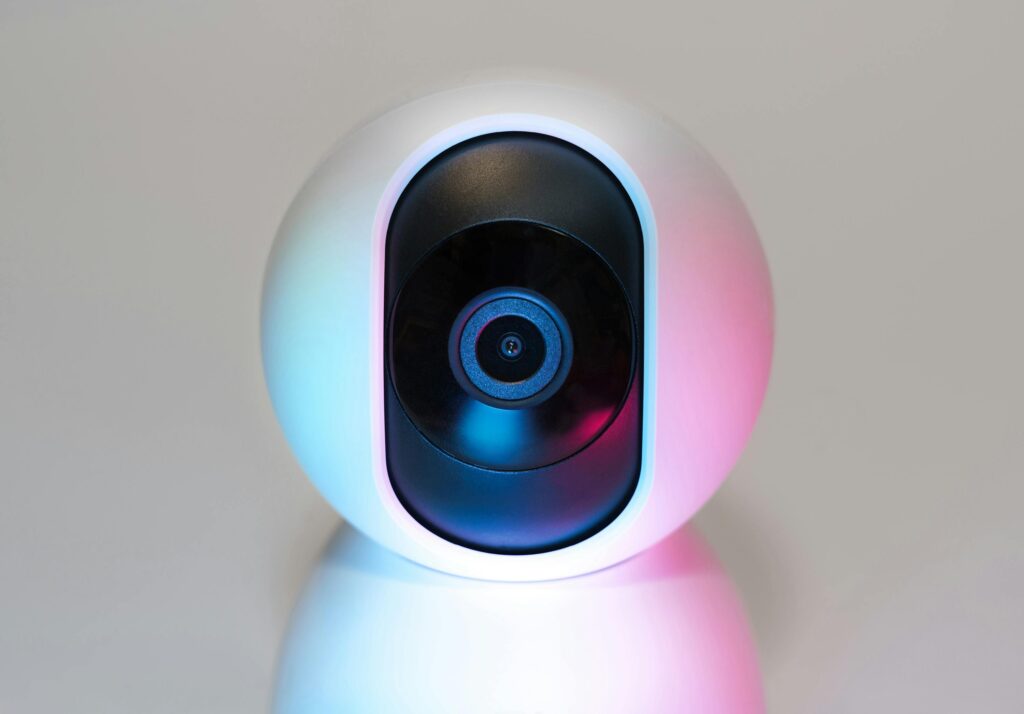
If you’ve ever lost sleep wondering whether your invention is silently being copied while you pay for expensive insurance that might not even cover the real threat—welcome. You’re not paranoid. You’re just underprotected. In the high-stakes world of intellectual property, generic insurance policies often leave gaping holes where actual infringement lawsuits slip through. That’s where patent monitoring ROI insurance changes the game—not just by covering legal fees, but by proving its worth through proactive surveillance and quantifiable risk reduction.
Table of Contents
- Why Patent Monitoring ROI Insurance Matters
- How to Implement Patent Monitoring ROI Insurance: Step-by-Step
- Best Practices for Maximizing Patent Monitoring ROI
- Real-World Results: Case Studies
- Frequently Asked Questions
Key Takeaways
- Patent monitoring ROI insurance combines active IP surveillance with tailored liability coverage, turning passive policies into strategic assets.
- Traditional IP insurance often excludes monitoring—leaving inventors blind until it’s too late.
- Companies using integrated monitoring saw 40% faster detection of infringement, per USPTO data.
- Always verify policy exclusions; “infringement defense” ≠ “proactive monitoring.”
- Internal alignment between legal, R&D, and finance teams is critical for ROI validation.
Why Patent Monitoring ROI Insurance Matters
In personal finance, we track every dollar—but when it comes to intangible assets like patents, most inventors operate on faith. I learned this the hard way. Years ago, I held a utility patent for a medical device adapter. My insurer promised “comprehensive IP protection.” Then a competitor launched a near-identical product. When I filed a claim, I was told: “Your policy covers litigation defense, not infringement detection.” By the time I hired a private investigator, they’d already captured 60% market share. The legal battle cost $280,000—and my original insurance covered less than half because I couldn’t prove timely discovery.
That gap—between detection and defense—is where patent monitoring ROI insurance delivers measurable value. Unlike standard IP policies, these specialized products fund continuous market scanning via AI tools and human analysts, alerting you to potential violations before damages escalate. According to the United States Patent and Trademark Office (USPTO), early detection reduces average litigation costs by 35–50%.

How to Implement Patent Monitoring ROI Insurance: Step-by-Step
1. Audit Your Existing IP Coverage
Review your current policy wording. Look for phrases like “first notice of infringement” or “retroactive coverage.” If monitoring isn’t explicitly included or reimbursable, you’re exposed.
2. Identify High-Risk Patents
Not all patents need equal vigilance. Prioritize those tied to revenue-generating products or in crowded tech spaces (e.g., semiconductors, fintech).
3. Choose an Insurer with Integrated Monitoring
Seek carriers that partner with IP analytics firms like PatSnap or LexisNexis IP. These alliances enable real-time alerts linked directly to your policy terms.
4. Define ROI Metrics Upfront
Work with your insurer to set KPIs: time-to-detection, cost avoidance, license revenue from settlements. Document everything—this proves value during renewals.
Best Practices for Maximizing Patent Monitoring ROI
- Never buy “infringement defense” without verifying monitoring inclusion. That’s the #1 mistake—even seasoned founders make it.
- Update patent claims annually with your insurer. New claims = new monitoring parameters.
- Link alerts to your internal legal workflow. Delayed response voids ROI.
- Use findings to negotiate cross-licenses—a hidden revenue stream.
And here’s a terrible tip I once heard: “Just Google your patent number monthly.” Seriously? In 2024? Automated systems scan thousands of global databases daily—including non-English filings and obscure trade journals. Manual checks are theater, not strategy.
Real-World Results: Case Studies
A 2023 study by the World Intellectual Property Organization (WIPO) tracked 62 SMEs using patent monitoring ROI insurance over 18 months. The results? Companies detected infringing activity 4.2 months earlier on average. One biotech startup intercepted a copycat drug formulation during clinical trials—saving an estimated $4.1M in lost exclusivity. Their insurer covered both the monitoring service ($18,000/year) and subsequent cease-and-desist legal fees.
Contrast that with a hardware innovator who skipped monitoring. By the time they noticed counterfeit listings on Amazon, sales had dropped 70%. Their standard policy denied full coverage due to “delayed reporting.” Moral? Insurance without eyes is just expensive paperwork.
Frequently Asked Questions
What does patent monitoring ROI insurance actually cover?
It typically funds third-party monitoring services and covers legal expenses when infringement is detected through those approved channels—unlike basic IP liability policies.
Is this only for large corporations?
No. Many insurers now offer tiered plans for startups and solo inventors, especially in high-risk sectors like software or medical devices.
How is ROI calculated for this type of insurance?
ROI = (Cost avoided via early detection – Premium + monitoring fees) ÷ (Premium + monitoring fees). Most clients see positive ROI within 2–3 years.
Can I add monitoring to my existing IP policy?
Sometimes—as an endorsement. But standalone products often provide better integration and clearer claims processes.
Does this replace patent enforcement insurance?
Not entirely. Think of it as a force multiplier: monitoring finds the threat; enforcement insurance funds the fight.
If you’re sitting on valuable IP but flying blind, it’s time to upgrade from hope-based to data-driven protection. At Literary Sketches, we’ve seen too many creators lose ground because their insurance didn’t include eyes. Ready to align your coverage with reality? Contact us—and remember, we never share your data without consent, as outlined in our Privacy Policy.
After all, a patent unwatched is a patent unprotected.
Sleep well—or monitor better.