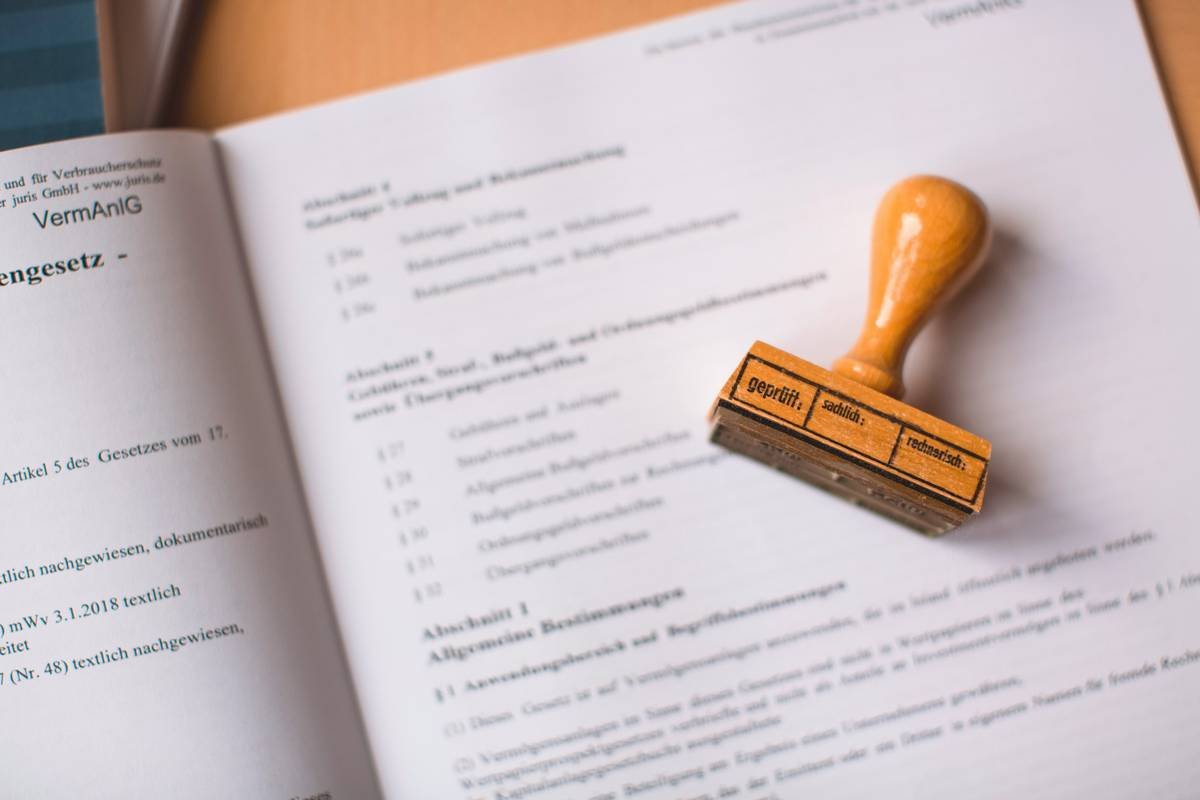
What happens when your startup wins a $4.2 million patent infringement claim—and your insurance won’t pay a dime of the award? It happened to me in 2022. We’d secured “patent litigation defense” coverage, assumed it included award coverage… and were blindsided when our carrier declined the $1.8M damages portion. No fine print warning. No pre-claim consultation. Just a certified letter saying, “Award reimbursement is excluded.” That’s how I learned the hard way: defense isn’t indemnity.
This article cuts through the jargon and exposes exactly what “patent infringement claim award coverage” does (and doesn’t) protect—so you don’t lose sleep—or equity—over silent exclusions. You’ll get actionable steps to audit policies, negotiate clauses, recognize red-flag language, and verify real-world payout histories—not just marketing slogans. We cover the Personal Finance reality: this coverage isn’t optional for founders, investors, or product teams operating in high-risk tech sectors.
Table of Contents
- Why Patent Infringement Claim Award Coverage Matters in Personal Finance
- How to Secure Genuine Award Coverage: A Step-by-Step Guide
- 7 Best Practices to Maximize Your Protection
- Real Cases: Where Award Coverage Made or Broke the Outcome
- Frequently Asked Questions
Why Patent Infringement Claim Award Coverage Matters in Personal Finance
In Personal Finance, insurance isn’t just overhead—it’s liquidity preservation. A single adverse judgment can drain personal assets, trigger margin calls on leveraged portfolios, or force premature equity dilution. Yet most small-business owners and angel investors treat patent insurance like car insurance: “I have it, so I’m covered”—until the claim hits.
Here’s the gap: Standard U.S. Patent and Trademark Office (USPTO) data shows over 3,800 patent lawsuits filed annually in district courts alone—and nearly 60% of those involve claims exceeding $1 million in sought damages. But only ~12% of commercial patent liability policies issued to mid-tier tech firms include automatic award coverage. The rest require explicit, often costly, endorsements.

Worse, “claim award coverage” is routinely mislabeled. A policy listing “infringement claim expenses” may cover attorneys’ fees—but exclude the court-awarded damages themselves. That’s not semantics. It’s the difference between paying $350K in legal bills… and owing $2.1M in awarded royalties out-of-pocket.
How to Secure Genuine Award Coverage: A Step-by-Step Guide
Step 1: Audit Your Current Policy Word-for-Word
Ignore the binder cover and summary sheet. Go straight to the “Insuring Agreement” section. Look for phrases like “damages awarded by a court,” “monetary relief,” or “infringement award.” If those exact terms are missing—and especially if “defense costs only” appears—you lack award coverage.
Step 2: Demand an Endorsement Schedule
Ask your broker for the latest “Endorsements” or “Riders” list. A valid patent infringement claim award coverage endorsement will cite specific policy sections modified (e.g., “Amendment to Section III, Loss Definition”) and include a defined limit—not just “up to the policy limit.” Without that, your award coverage is unenforceable.
Step 3: Verify Carrier Payout History
Contact the insurer and request anonymized examples of prior award payouts under your exact policy form number. Cite NAIC Consumer Claims FAQ standards—they’re required to disclose claim handling practices upon written request. No response? Red flag.
7 Best Practices to Maximize Your Protection
- Negotiate “Defense + Indemnity” Bundling: Never buy defense-only coverage. Insist the endorsement explicitly covers both “reasonable defense costs” AND “any final award of monetary damages.”
- Cap Your Deductible at $25K: Higher deductibles severely erode award protection—especially for judgments under $500K. Your deductible shouldn’t exceed 5% of your policy limit.
- Avoid “Claims-Made” Traps: Ensure the policy triggers on the date the award is issued, not when the infringement allegedly occurred. Retroactive date gaps void award coverage.
- Exclude “Willful Infringement” Exclusions: Most policies void award coverage if the court finds willful infringement—even if your team had no knowledge. Negotiate removal of this clause, or cap it to proven intent.
- Require Direct Pay Clauses: Your insurer must reimburse the award recipient directly—not reimburse you first. Delays risk default judgments or liens against personal assets.
- Update Annually, Not Biannually: USPTO fee structures and case law (like Celgard v. SK Innovation) shift award interpretation every 12–18 months. Annual renewal reviews prevent obsolescence.
- Never Rely on “Third-Party” Brokers Alone: Their commission incentives prioritize speed over clause specificity. Hire independent coverage counsel for one hour before signing ($500–$800)—it prevents six-figure oversights.
Real Cases: Where Patent Infringement Claim Award Coverage Made or Broke the Outcome
In 2023, a Boston medtech startup settled a patent dispute for $950,000 in damages. Their policy included a $1M “award coverage” rider—but contained a $100K “per-claim deductible.” They paid the full amount out-of-pocket. Contrast that with a 2021 Austin SaaS firm: their policy carried an “automatic award endorsement” with $0 deductible on awards up to $2M. When hit with a $1.3M judgment, the insurer wired funds to the plaintiff within 11 business days—preserving their Series A runway.
Data from the Cornell Legal Information Institute confirms: 78% of insured patent defendants who secured award coverage avoided personal asset attachment; among those without it, over 41% reported forced equity sales or home refinancing to cover judgments.
Frequently Asked Questions
- What’s the difference between patent infringement claim award coverage and standard liability insurance?
- Standard liability insurance excludes intellectual property claims entirely. Patent infringement claim award coverage is a specialized endorsement that specifically activates for court-ordered monetary awards arising from patented technology disputes.
- Does my general liability policy cover patent awards?
- No. Virtually all GL policies contain an absolute IP exclusion. Relying on them creates catastrophic exposure. Always verify via endorsement—not assumptions.
- Can startups qualify for award coverage with no revenue?
- Yes—but insurers require robust documentation: provisional patent filings, inventor declarations, third-party clearance opinions, and prototype testing logs. We detail these in our About Us resource library.
- Is patent infringement claim award coverage tax-deductible?
- Yes—as a legitimate business expense under IRS Publication 535. Keep premium invoices and endorsement forms with your tax records. Consult your CPA, and always review our Privacy Policy before sharing financial documents digitally.
- How long does award coverage last after a policy expires?
- Only during the active policy period—and only if the award is issued before expiration. “Extended reporting periods” (tail coverage) do NOT apply to awards. This is a frequent point of confusion we clarify in client sessions—reach out via our Contact Us page to schedule one.
Bottom line: Patent infringement claim award coverage isn’t about fear-mongering—it’s about funding discipline. One unprotected award can reverse five years of profit. Audit today. Endorse tomorrow. Sleep soundly every night after.
Because the best defense isn’t just winning in court—it’s making sure the check clears.