
Ever found yourself staring at a legal letter accusing you of patent infringement, wondering how much it’s going to cost just to defend yourself? Yeah, us too. And trust me, “just defending” can feel like trying to plug holes in a leaking boat with duct tape—it’s messy, stressful, and oh-so-expensive.
In this post, we’re diving deep into the world of defense case funding, specifically through the lens of patent infringement insurance. You’ll learn about why it matters, how to protect yourself before disaster strikes, actionable tips for managing these cases, real-world examples, and—because honesty is key—a few brutally honest truths along the way.
Table of Contents
- Why Defense Case Funding Matters (And Why It’s Not Optional)
- A Step-by-Step Guide to Navigating Patent Infringement Insurance
- Tips & Best Practices for Managing Defense Cases
- Real-Life Examples: Lessons from the Trenches
- Frequently Asked Questions About Defense Case Funding
Key Takeaways
- Patent infringement lawsuits are expensive, but defense case funding through specialized insurance can help alleviate costs.
- Proactively investing in patent infringement insurance can save thousands—or even millions—in future litigation expenses.
- Not all policies are created equal: Look out for exclusions, coverage limits, and hidden fees when choosing your plan.
Why Defense Case Funding Matters (And Why It’s Not Optional)
Picture this: Your small startup invents an innovative gadget that flies off shelves. Then, boom! A cease-and-desist order arrives claiming you’ve violated someone else’s patent. Suddenly, your dream business feels more like a sinking ship because… surprise! Defending against patent infringement claims averages between $3M-$5M. Ouch.
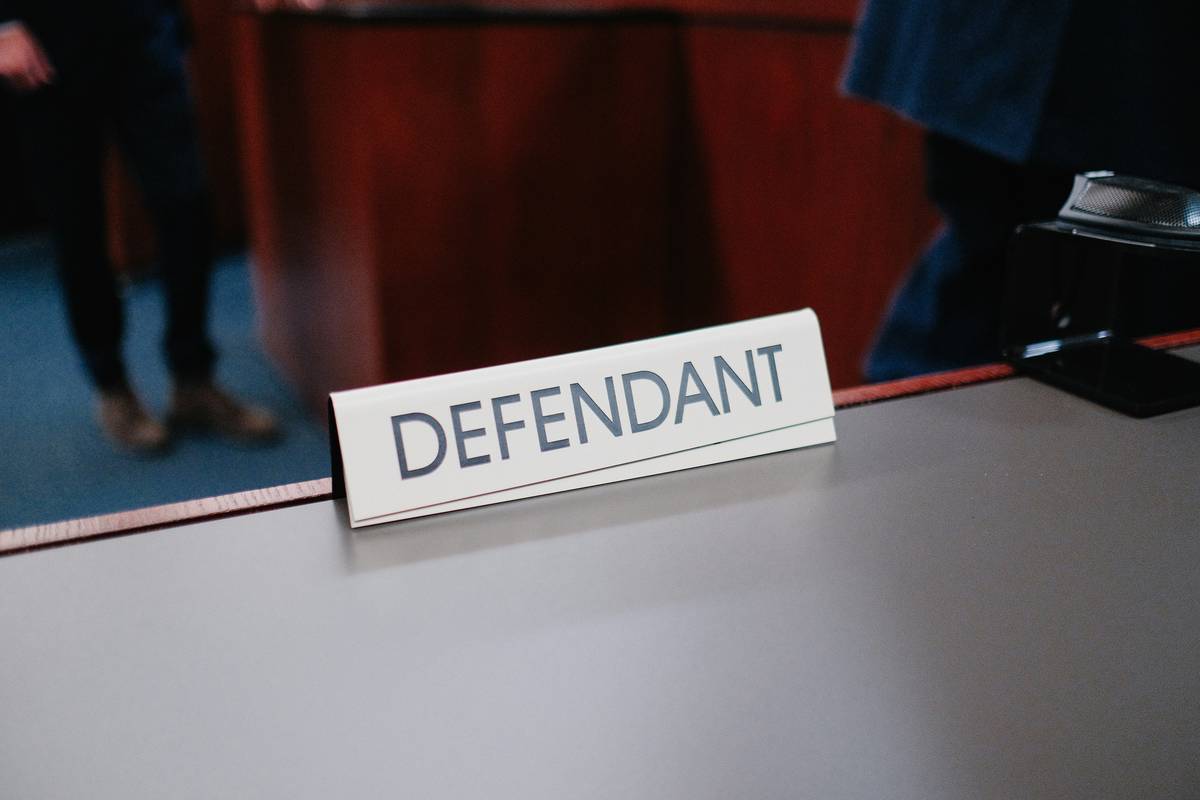
This is where patent infringement insurance comes in clutch—it essentially funds your defense case, helping you navigate the financial minefield without wiping out your savings. Sounds chef’s kiss, right?
But here’s the catch: Without proper planning, you might end up stuck paying thousands upfront or worse, losing everything over something as simple as a misunderstood patent claim.
A Step-by-Step Guide to Navigating Patent Infringement Insurance
Step 1: Assess Your Risk Level
“Optimist You:” “I don’t need insurance; no one would sue me!”
“Grumpy You:” “LOL, good luck surviving a lawsuit if they do.”
Jokes aside, assessing risk isn’t optional. Ask yourself:
- Is my product/service similar to competitors’ offerings?
- Have I conducted thorough IP research on existing patents?
Step 2: Shop Around for Policies
Not all insurance carriers offer the same terms. Some exclude certain industries; others cap payouts at laughably low amounts. Always compare apples-to-apples.
Step 3: Review Coverage Details Carefully
“Read the fine print” isn’t just advice—it’s survival. Make sure your policy includes:
- Legal fees
- Settlement/damages up to a reasonable limit
- No vague loopholes like “willful infringement exemptions”
Tips & Best Practices for Managing Defense Cases
- Start Early: Don’t wait until a letter arrives—get insured ASAP.
- Document Everything: Keep records of every decision, email, and patent check.
- Work With Experts: Hire lawyers familiar with both patents AND insurance claims.
RANT SECTION: Let’s talk about the biggest pet peeve in this space—the sneaky “gotcha” clauses buried in contracts. Nothing makes me want to throw my laptop across the room faster than finding out AFTER THE FACT that my shiny new policy doesn’t cover half of what I thought it did. Whirrrr goes the fan of frustration…
Real-Life Examples: Lessons from the Trenches
Example #1: A tech company ignored patent risks early on, thinking their unique design couldn’t possibly infringe. Fast forward two years—they faced a $4M lawsuit. Thankfully, their foresight in purchasing insurance meant their insurer covered most costs, saving them from bankruptcy.
Example #2: On the flip side, another entrepreneur cut corners by opting for cheaper coverage. When sued, they discovered their policy excluded international disputes—which happened to be exactly their situation. Lesson learned: Cheaper isn’t always better.
Frequently Asked Questions About Defense Case Funding
What does patent infringement insurance typically cost?
Premiums vary wildly depending on industry and risk profile but expect anywhere from $5k-$50k annually.
Can I file multiple claims under one policy?
It depends. Check your policy’s aggregate limit carefully!
Does having insurance make me more likely to get sued?
Not necessarily, though some argue insurers may attract attention due to higher payout potential.
Conclusion
Let’s recap: defense case funding via patent infringement insurance is NOT optional—it’s essential for anyone navigating the murky waters of intellectual property. From assessing risk to shopping smartly, following best practices, and learning from others’ mistakes, preparation is key to staying afloat financially during legal storms.
Terrified yet hopeful? Good—that’s how growth works. Just remember, coffee helps.
Like a Tamagotchi, your defense strategy needs daily care. So stay vigilant, stay informed, and never let those pesky legal gremlins sink your dreams.