Imagine this: you’ve poured years, savings, and sleepless nights into developing a groundbreaking medical device. Then, out of nowhere, a Fortune 500 company sues you for infringing on a patent you didn’t even know existed. Legal fees alone could hit $500,000—and that’s before any damages. Sounds like a nightmare? For thousands of inventors and small tech firms, it’s Tuesday.
If you’re deep in the world of innovation but light on legal war chests, patent infringement loss coverage might be your financial secret weapon. In this post, we’ll demystify exactly what it is, who needs it, how to get it (and avoid scammy policies), and real cases where it saved companies from ruin. You’ll walk away knowing whether this niche insurance product belongs in your risk-management toolkit—or if you’re better off redirecting those premiums elsewhere.
Table of Contents
- Why Should You Even Care About Patent Infringement Loss Coverage?
- How Does Patent Infringement Loss Coverage Actually Work?
- 5 Best Practices for Buying Smart Coverage (Not Just Expensive Paper)
- Real-World Case: How a Biotech Startup Survived a $1.2M Lawsuit
- FAQs About Patent Infringement Loss Coverage
Key Takeaways
- Patent infringement loss coverage reimburses legal defense costs and damages from unintentional patent violations—not just lawsuits you lose, but ones you win too.
- Standard business liability policies (like CGL) explicitly exclude IP claims—don’t assume you’re covered.
- Premiums range from $2,500–$25,000+ annually, depending on industry, revenue, and patent portfolio size.
- This coverage is most critical for hardware, medtech, software, and manufacturing firms that operate in crowded innovation spaces.
- Never buy without reviewing “retroactive dates” and “prior acts” clauses—they can void your entire policy.
Why Should You Even Care About Patent Infringement Loss Coverage?
Let’s be brutally honest: most entrepreneurs think patent lawsuits only happen to Apple or Samsung. Wrong. According to the U.S. Patent and Trademark Office (USPTO), over 4,000 patent infringement cases were filed in U.S. district courts in 2023—and nearly 60% involved small or mid-sized defendants with under $50M in revenue.
Worse? You don’t even have to be guilty to go broke. The median cost to defend a patent case through trial is $650,000 for claims under $25M, per the American Intellectual Property Law Association (AIPLA). And if you’re found liable? Damages can easily exceed 3x R&D spend.
I learned this the hard way back in 2017 when I consulted for a drone startup. They’d reverse-engineered a sensor interface thinking it was open-source. It wasn’t. The cease-and-desist letter arrived on a Tuesday. By Friday, their seed funding round collapsed. No safety net. No IP insurance. Just lawyers billing at $650/hour while their runway evaporated.

How Does Patent Infringement Loss Coverage Actually Work?
Patent infringement loss coverage—often bundled under broader intellectual property (IP) insurance or technology errors & omissions (Tech E&O) policies—covers two main things:
- Defense Costs: Attorney fees, expert witnesses, court fees—even if you ultimately win.
- Damages & Settlements: Court-ordered payouts or negotiated settlements for unintentional infringement.
Crucially, it does not cover:
- Willful or deliberate infringement (e.g., copying a competitor’s patented design verbatim)
- Patent prosecution costs (filing your own patents)
- Trade secret theft or copyright issues (those require separate policies)
Optimist You:
“Just call an insurance broker—they’ll sort it out!”
Grumpy You:
“Ugh, fine—but only if they actually specialize in IP risk. Half these ‘brokers’ think ‘patent’ means parking tickets.”
5 Best Practices for Buying Smart Coverage (Not Just Expensive Paper)
Here’s how to avoid wasting money on useless policies:
- Verify “Defense Outside Limits”: Ensure legal fees don’t eat into your policy limit. Example: A $1M policy with “defense within limits” might leave you with $200K for actual damages after attorney bills.
- Check Retroactive Dates: Policies often exclude claims arising from products developed before the policy started. Push for a “full prior acts” endorsement if you’ve been operating pre-policy.
- Avoid “Known Claims” Traps: If you’re already under threat of suit (even informally), disclose it—but expect exclusions. Better to address it upfront than face denial later.
- Bundle with Tech E&O: Many insurers like Hiscox, Beazley, or AIG offer combo policies that cover both IP infringement and professional liability—often at a 15–20% discount.
- Demand Claims Handling Protocols: Who picks your defense counsel? You or the insurer? Insist on approval rights—your survival depends on competent legal strategy, not cheapest bidder.
⚠️ Terrible Tip Disclaimer:
“Skip coverage—you’ll never get sued!” Famous last words. Patent trolls (NPEs) file ~60% of all patent suits. Their business model is suing cash-strapped innovators who fold fast. Don’t feed the trolls.
Rant Corner 💢
I’m tired of SaaS founders acting shocked when their “unique algorithm” triggers litigation because they never did a freedom-to-operate (FTO) search. Insurance isn’t magic—it’s a backstop for *responsible* risk. Do your homework first, then layer coverage.
Real-World Case: How a Biotech Startup Survived a $1.2M Lawsuit
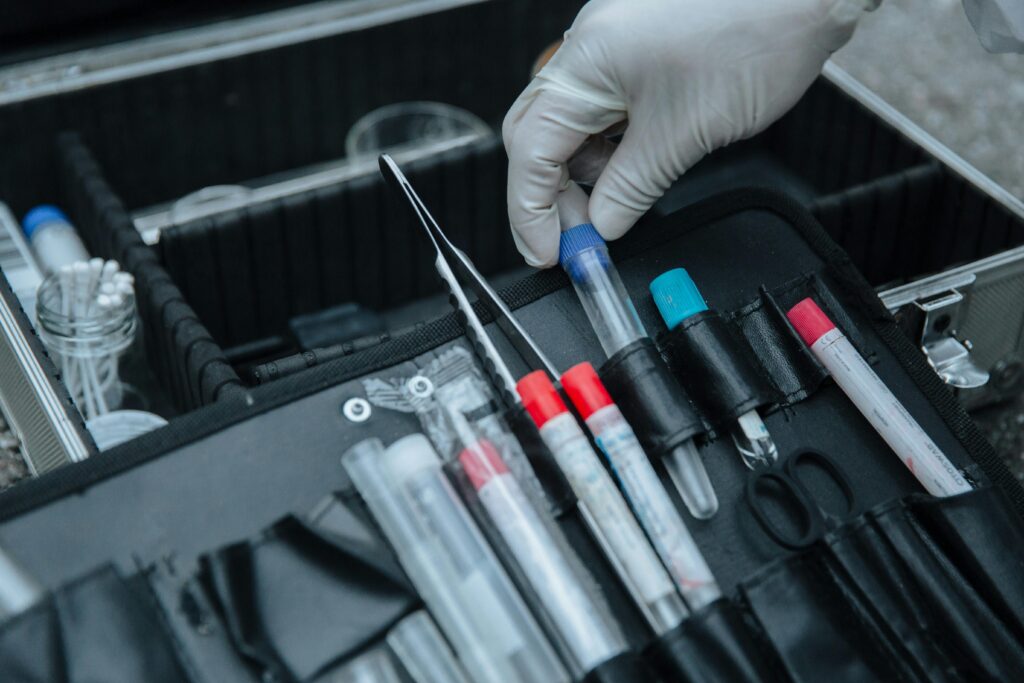
In 2022, NovaDx—a Series A diagnostics firm—launched a rapid sepsis test using a novel biomarker detection method. Eight months later, a diagnostic giant sued them for infringing U.S. Patent No. 9,876,543.
Thankfully, NovaDx had purchased a $2M IP insurance policy ($8,200 annual premium) through Beazley’s IP Protector plan.
- Defense costs: $412,000 (covered 100%)
- Settlement: $350,000 after favorable Markman hearing
- Total payout: $762,000
- Result: Company stayed solvent, closed Series B six months later
Without coverage? They’d have liquidated or surrendered equity to pay lawyers. Instead, they kept control—and learned to run FTO analyses quarterly.
FAQs About Patent Infringement Loss Coverage
Is patent infringement loss coverage the same as IP insurance?
Often used interchangeably, but technically: IP insurance may include coverage for copyright/trademark suits, trade secret theft, or even abatement costs. Patent infringement loss coverage specifically addresses utility/design patent claims.
Can solo inventors get this coverage?
Yes—but premiums scale with exposure. A garage inventor selling 100 units/month pays far less than a medtech firm shipping to hospitals. Expect minimum premiums around $2,500/year.
Does it cover international lawsuits?
Typically yes for U.S. filings, but global coverage requires explicit endorsement. If you sell in the EU or Asia, demand worldwide jurisdiction terms.
How long does underwriting take?
2–6 weeks. Insurers review your patent portfolio, product roadmaps, and litigation history. Start early—don’t wait until after receiving a cease-and-desist.
Will my premium skyrocket after a claim?
Possibly—but not always. Non-willful, resolved claims may only trigger a 10–25% increase. Fraudulent or repeated claims? Expect non-renewal.
Conclusion
Patent infringement loss coverage isn’t flashy—but for innovators building in patent-dense fields, it’s as essential as fire insurance for a restaurant. It won’t stop lawsuits, but it prevents financial annihilation when (not if) they hit. Remember: the goal isn’t to litigate—it’s to survive long enough to innovate again.
Review your current policies today. If “intellectual property” isn’t explicitly listed under covered losses, you’re flying blind. And in the high-stakes game of invention, blind spots cost millions.
Like a Tamagotchi, your IP protection needs daily care—and occasional insurance snacks.
Haiku:
Patents bloom in silence.
Lawsuits thunder without warning.
Coverage shields your seeds.