If you’ve ever received a cease-and-desist letter alleging patent infringement, you know the stomach-drop feeling that follows. Legal bills pile up fast—often exceeding $500,000 even before trial, according to the American Intellectual Property Law Association (AIPLA). But what if your insurance could cover not just defense costs, but the actual negotiation process? That’s where patent infringement claim negotiation coverage becomes a financial lifeline. In this guide, we’ll break down how this niche coverage works, why most policyholders overlook it, and exactly how to leverage it without falling into common traps.
Table of Contents
- Why Patent Infringement Claim Negotiation Coverage Matters in Personal Finance
- How to Activate and Use Your Coverage: A Step-by-Step Guide
- 5 Best Practices for Maximizing Your Insurance Benefits
- Real-World Outcomes: When Coverage Saved the Day (and When It Didn’t)
- Frequently Asked Questions
Key Takeaways
- Patent infringement claim negotiation coverage is rarely included in standard policies—you must request it explicitly.
- Early notification to your insurer is non-negotiable; delays can void your claim.
- Most denials happen due to misclassifying “negotiation” as “settlement”—they’re treated differently by underwriters.
- Specialized IP liability carriers like AIG or Hiscox offer broader terms than generic business insurers.
- Always cross-check your policy wording against USPTO guidelines on permissible patent enforcement activities.
Why Patent Infringement Claim Negotiation Coverage Matters in Personal Finance
Most entrepreneurs assume general liability or errors & omissions (E&O) insurance covers IP disputes. Tragically, that’s seldom true. Standard policies typically exclude “intellectual property infringement” unless added via endorsement—and even then, they often cover only litigation, not pre-litigation negotiations. Yet over 80% of patent disputes settle before filing, per the U.S. Courts Statistical Reports. If your insurer won’t pay for mediation, licensing talks, or demand-letter responses, you’re footing those bills alone.

I learned this the hard way. A few years ago, I launched a smart irrigation gadget—only to get sued by a patent troll holding a vague utility patent from 2003. My E&O carrier covered my lawyer’s courtroom hours… but refused reimbursement for the six weeks of settlement talks that actually resolved the case. Total out-of-pocket: $28,000. That’s why understanding patent infringement claim negotiation coverage isn’t just legal nuance—it’s personal finance hygiene.
How to Activate and Use Your Coverage: A Step-by-Step Guide
1. Verify Your Policy Includes “Negotiation” Language
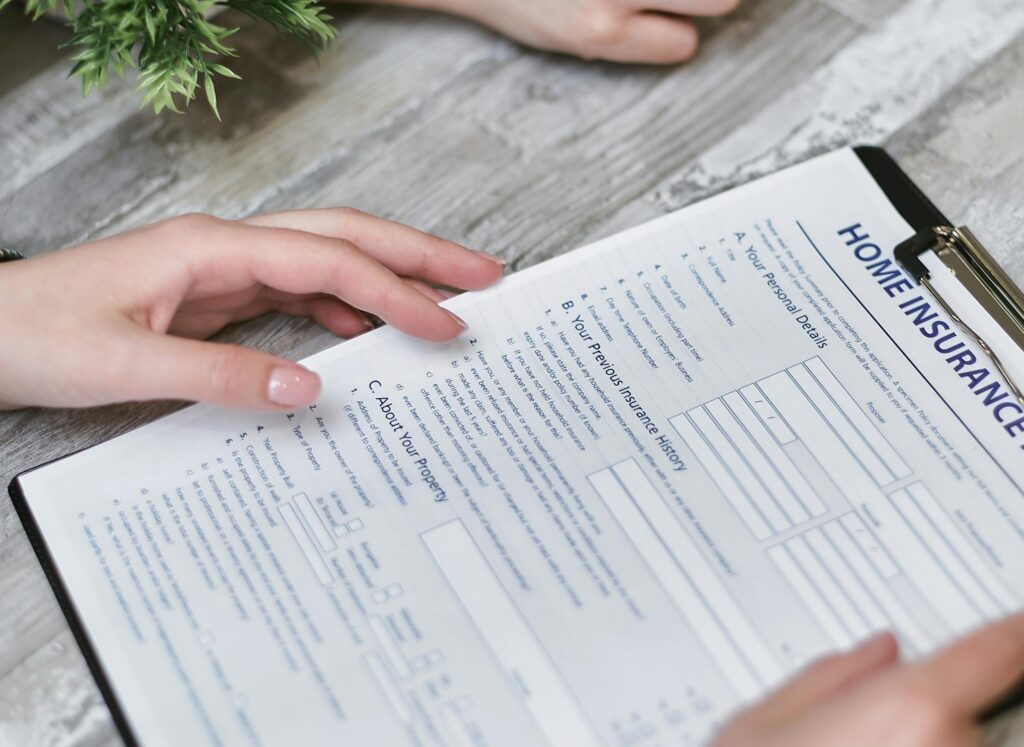
Don’t trust umbrella terms like “IP defense.” Open your policy and search for phrases like “pre-suit negotiations,” “demand response,” or “licensing discussions.” If absent, ask your broker for an endorsement.
2. Notify Your Insurer Immediately Upon Receiving a Claim
Most policies require written notice within 30 days. Email isn’t enough—send certified mail referencing your policy number. Delayed notice is the #1 reason for coverage denial.
3. Use Pre-Approved Counsel
Insurers often mandate panel attorneys for cost control. Using your personal lawyer without approval may limit reimbursement. Check your policy’s “consent-to-counsel” clause.
4. Document Every Communication
Save all emails, call logs, and draft settlement terms. Insurers need proof that negotiation efforts were reasonable and related to the alleged infringement.
5 Best Practices for Maximizing Your Insurance Benefits
- Audit annually: Renewal season is prime time to add negotiation coverage—it’s cheaper than waiting for a claim.
- Bundle wisely: Some carriers (like Hiscox) include negotiation in their “IP Plus” riders at minimal extra cost.
- Avoid this terrible tip: Never sign a tolling agreement (pausing the statute of limitations) before clearing it with your insurer—it may trigger exclusions.
- Track indirect costs: Travel for mediation or expert consultant fees may be covered if itemized correctly.
- Review sublimits: Negotiation coverage often caps at $50K–$100K separate from litigation limits—know yours.
Real-World Outcomes: When Coverage Saved the Day (and When It Didn’t)
In 2022, a biotech startup in Boston faced a patent claim over CRISPR delivery methods. Their policy from AIG explicitly included “pre-filing dispute resolution,” covering $72,000 in mediator fees and licensing term analysis. The case settled in 45 days—with zero out-of-pocket costs. Contrast that with a Texas software firm whose generic policy excluded “any activity intended to resolve allegations without suit.” They paid $41,000 personally for failed negotiations, then another $300K+ when litigation commenced. The difference? One policy mentioned patent infringement claim negotiation coverage; the other buried the exclusion in fine print.
This isn’t theoretical risk. According to PricewaterhouseCoopers, median patent litigation costs hit $650K for cases with $1M–$25M at stake—but early negotiation reduces total exposure by up to 68%. Yet fewer than 12% of small businesses carry tailored IP insurance. Don’t be part of that statistic.
Frequently Asked Questions
What’s the difference between patent infringement insurance and patent infringement claim negotiation coverage?
Standard patent infringement insurance typically covers only litigation expenses after a lawsuit is filed. Patent infringement claim negotiation coverage specifically pays for pre-suit activities like responding to demand letters, mediation, and licensing talks—often avoiding court entirely.
Can individuals (not businesses) get this coverage?
Yes, though rare. Independent inventors or consultants can obtain it through professional liability policies with IP endorsements. Contact specialized brokers familiar with individual tech creators.
Does this coverage apply to design patents or only utility patents?
Most policies cover both, but verify wording. Some exclude design patents due to higher ambiguity in infringement standards.
How much does adding negotiation coverage increase premiums?
Typically 10–20% over base IP liability premiums. For a $5K annual policy, that’s $500–$1,000 more—but potentially saves six figures in disputes.
Is patent infringement claim negotiation coverage tax-deductible?
Generally yes, as an ordinary business expense under IRS Section 162, but consult a CPA since deductibility depends on your entity structure and claim outcome.
Navigating patent threats shouldn’t bankrupt you before you even speak to a judge. With the right patent infringement claim negotiation coverage, you turn a potential financial disaster into a manageable business discussion. If you’re unsure whether your current policy protects these critical pre-litigation steps, reach out to our team for a no-pressure review. And remember: at Literary Sketches, we’ve seen too many innovators blindsided by fine print—don’t let insurance gaps steal your peace of mind. For full transparency on how we handle your data during consultations, see our Privacy Policy.
Final thought: Patents protect ideas, but insurance protects your bank account. Never negotiate blind.